
21 Total des éléments recherchés
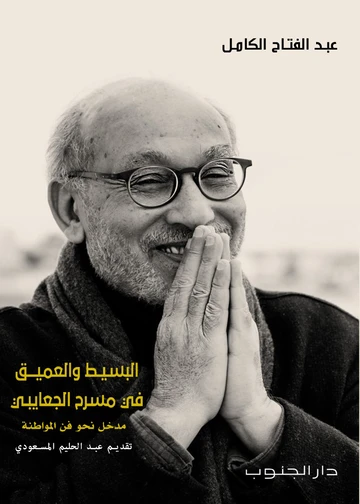
البسيط والعميق في مسرح الجعايبي
إن تشييد عرض بسيط وعميق، مهمة بالغة التعقيد، إذ يتضافر التجريب داخل بناء محكم الضوابط مع مدار جدلي متماوج، تتقاطع فيه مفاهيم الجسد والمجتمع والفكر في توتر خلّاق لا يعرف السكون. ففي مسرح المواطنة الذي ينشده الجعابي، يمثل التجريب تأسيسًا مستمرًا قائمًا على منظومة الارتجال. …
إن تشييد عرض بسيط وعميق، مهمة بالغة التعقيد، إذ يتضافر التجريب داخل بناء محكم الضوابط مع مدار جدلي متماوج، تتقاطع فيه مفاهيم الجسد والمجتمع والفكر في توتر خلّاق لا يعرف السكون. ففي مسرح المواطنة الذي ينشده الجعابي، يمثل التجريب تأسيسًا مستمرًا قائمًا على منظومة الارتجال. تلك المنظومة التي لا تبلغ فاعليتها إلا بتحرير الممثل. هذا التحرير لا يتحقق إلا بجسد متمرد، هذا الجسد هو منبع الشخصية. الشخصية حاضنة الحكي، الحكي صورة المجتمع. هذا المجتمع يستوجب التغيير والتجديد حتى يتقدم. هذا التجديد لا يقوم إلا عبر إعادة النظر في بنى الفكر والفن. لن يحصل ذلك إلا بالمجازفة المقصودة والتجريب المدروس. عند هذا الحد، تكتمل دائرة الخلق الفني عند الجعابي. هذه الدائرة يستمد فيها كل عنصر قوته من الآخر، يعيد إنتاجه في حركة لا تهدأ، مبقيًا وهجها متقدًا عبر السؤال والبحث والتشكيل والتأويل.

لست المسرحي المناسب
1
3 2
3 2
لـسـت املسـرحـي املنــاسب
5 4
5
الجبــالـــي تـوفـيـــق
لـسـت املسـرحـي املنــاسب
7 6
© دار اجلنوب للنشر - 2025
الطبعة األولى نوفمبر 2025
الطبعة الثانية مارس 2026
contact@sudeditions:com
مت أجناز هذا الكتاب بفضل املساهمة القّيمة حملمد اجلنيدي …
1
3 2
3 2
لـسـت املسـرحـي املنــاسب
5 4
5
الجبــالـــي تـوفـيـــق
لـسـت املسـرحـي املنــاسب
7 6
© دار اجلنوب للنشر - 2025
الطبعة األولى نوفمبر 2025
الطبعة الثانية مارس 2026
contact@sudeditions:com
مت أجناز هذا الكتاب بفضل املساهمة القّيمة حملمد اجلنيدي
وباللمسة اجلمالية لهشام الشوّيب يف تصميم الغالف
7
الوصيــــة والدليـــل
أبحث يف كل ركن من ذاكرتي،
لعلّي أجد منفًذا يواسي انتظاري.،
ملن كانت تدفعني إلى األعلى،
ترفع من شأني،
اليد اخلفّية التي تفتح األبواب املقفلة،
وحتّول الفكرة املرجتفة يف رأسي
إلى مشروع يولد على اخلشبة.
ترسم لي اخلريطة رغم اعتراضي وعدمّيتي،
حتّرضني كما يُحرَّض املمّثل املتقاعس
تطوف بي اركان العالم
كانت الوصّية والدليل،
وكانت العني التي ترى أبعد مني.
هكذا كنت قبل أن تغيب…
وصرت بعدها بال دليل وال واعز
صرُت وحدي
أمشي بخطى يتيمة على خشبة هذا املسرح اللعني.
رسالة مغلقة لــز. ف
8
9
قبل أن أجتهز القتناء تذكرتي للفصل األخير
أود إخفاء الذاكرة لليوم األغر..
يوم ال شيء يستحق عناء السفر ..
وال معنى يستحق البحث عنه..
10
11
لسُت املسرحيَّ املناسب…
وال من هذه البيئة، أو لقادمها ..
لــم أختــر أن أكــون هنــا… جئــُت ألن الطــارئ دفعنــي حتــى حافــة
اخلشــبة،
لــم أتعلــم، ولــم أَعلــم. وجدتنــي يف البــني، بــال شــاهد وال ُمبلِّــغ.
ســلّمت لألمــر املنقضــي، يف ِحــلٍّ مــن دواعــي املعرفــة وشــهادات
الرضــا… وهكــذا واصلــت، كمــا يُقــاد البــريء إلــى )منفــاه(، وهــو ال
ــه. ــى نهايت ــا إلــى خالصــه… أم إل ــدري إن كان ذاهًب ي
لست املسرحي املناسب
كان بإمكانــي أن أختارانشــغاال أضمــن، أثــرى ، أكثــر أماًنــا، لكــن
األمــان ال يُجيــد التخفي،والثــراء ال يعــرف كيــف يختبــئ.
أما املسرح… فهو فّن االختباء.
ملجــأ للمنشــّقني، للمســتضعفني، للجبنــاء امللعونــني، لــألرواح
الذيــن يبحثــون عــن الطاعــة، ولألحيــاء مــن مذاهــب املطــرودة
طريقــة يلهــون بهــا عــن األهــوال.
لست املسرحي املناسب
ألكون »مصلحة بعد البيع«
لشهود زور يطلبون منك أن ترّفه عنهم،
أن تُعجن يومًيا شؤونهم على مقاس السوق،
12
أن تكون أضحوكة شعبية حسب الطلب،
أن متثل كوابيسهم اليومية،
أن تكون مهّرج امللك… وامللك غارق يف صورته حتى العمى.
املسرح فن املبني للمجهول
يجبرك على إعادة تشغيل نفسك كل ليلة.
يدخــل بجملــة غيــر مكتملــة، ويخرجــك بأســئلة لــم تكــن تبحــث
عنهــا.
ثــم والصــوت، الضــوء مــن أمامــك يتشــكل مخلــوق هالمــي،
يختفــي تــارًكا ظلــه يف ذاكرتــك. يحــّول األفــكار إلــى أجســاد تتحرك،
والغيــاب إلــى حضــور. يراقــب األرض مــن بعيــد، ثــم يرســل صــوًرا
ــا مــن الواقــع. …
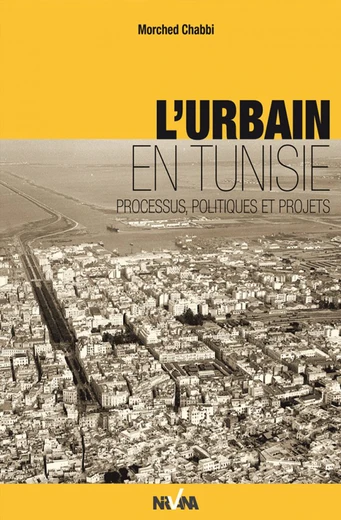
L'Urbain En Tunisie
La Tunisie s’enorgueillit d’avoir enfanté l’apôtre de l’urbanisme, Ibn Khaldoun
(1332-1406). L’illustre sociologue dont on aménage ces jours-ci sa maison na
tale en un musée digne de son œuvre universelle, a bien posé les postulats de cette
science transversale. …
La Tunisie s’enorgueillit d’avoir enfanté l’apôtre de l’urbanisme, Ibn Khaldoun
(1332-1406). L’illustre sociologue dont on aménage ces jours-ci sa maison na
tale en un musée digne de son œuvre universelle, a bien posé les postulats de cette
science transversale.
Mais c’est l’un de ses valeureux disciples, le sociologue Morched Chabbi (1947
2023) qui a bel et bien illustré les enseignements du maître à travers son cursus
universitaire et son parcours professionnel.
A l’instar de l’auteur du « livre des exemples » il a été, sa vie durant, l’homme du
savoir qu’il met au service de la communauté.
Indépendamment de son marqueur génétique qu’il tient de son père Si Lamine
(1917-1974) premier ministre de l’éducation après l’indépendance et de son oncle
Aboulkacem (1909-1934) le chantre de la liberté, Morched a été à mes côtés un
militant de la première heure au sein de l’Union Générale des Etudiants de Tunisie
(UGET).
Dans sa dédicace d’un exemplaire de sa thèse soutenue à l’Université de Paris 8 le
6 Juillet 1986 qu’il m’offrit à l’occasion de mon adhésion à l’association tunisienne
des urbanistes, il ne manqua pas de rappeler cette tranche de vie commune.
Précisément cette œuvre académique – une monographie de Hay Ettadhamen
constitua une première en la matière. C’est à lui qu’on doit cette notion si expres
sive d’habitat spontané qui prend le contre-pied de la phraséologie officielle d’ha
bitat anarchique qui dispense les pouvoirs publics, croient-ils, de leur myopie en
matière de logement pour les couches populaires.
En partant de son expérience au District de Tunis, jadis un atelier de référence en
urbanisme, Morched a méthodiquement analysé les filons de ce gros champignon
urbain à la périphérie de la ville de Tunis. Il a notamment mis à bas les acteurs de
7
la transformation de cette étendue agricole en un magma de briques et de béton.
Ce sont, a-t-il insisté, les lotisseurs clandestins c’est-à-dire les prépondérants
locaux du parti au pouvoir qui, ont accaparé frauduleusement les terrains de l’État.
Ettadhamen est ainsi la marque ostentatoire de la fabrique de l’urbain en Tunisie.
Tel est justement le titre de cet ouvrage édité en 2012 chez Nirvana et qui est devenu
le bréviaire des intervenants dans l’aménagement du territoire.
Dans ce livre, Morched Chebbi excelle, à mon sens, à pointer l’absence chez les
décideurs de la maîtrise de l’étalement urbain. Si bien qu’est apparu un objet vérifié
et identifié : la conurbation. …
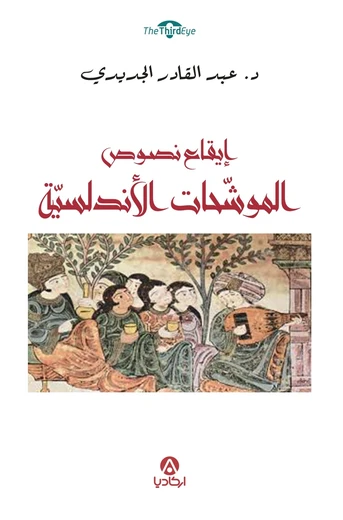
إيقاع نصوص الموشّحات الأندلسيّة
أنا والثلوج...
دخل عليّ كِنَان وكان متدثرًا بثلوج عواصف جبال القطب الشّمالي...
احتضنته في حرقة المتوحّد وشوق المكلوم اليائس... فتهاطلت دموعي
التي ما سرعان ما تحوّلت إلى أ كوام من الثلج والجليد هي الأخرى... …
أنا والثلوج...
دخل عليّ كِنَان وكان متدثرًا بثلوج عواصف جبال القطب الشّمالي...
احتضنته في حرقة المتوحّد وشوق المكلوم اليائس... فتهاطلت دموعي
التي ما سرعان ما تحوّلت إلى أ كوام من الثلج والجليد هي الأخرى...
شقّ على كنان ما رأى فحوّلها في الحال إلى زعتر وخزامى فأصبحت
أيامي مشمسة وعطِرة...
فان وتالة...
ْ
ثم جاءني نائل بأ كياس من ثلوج جبل بولحناش وزل
فعرفت أنه البلسم الذي سيضمّد جروح عمري ويزرع الفرحة في خلايا
ذاكرتي المثقلة... إنه البهجة والسّعْدُ والحنان...
وذات فجر رأيتها تخرج من تحت أ كوام ثلوج , Gdansk, Varsovie
Cracovie...
إنّها ...Célia
جاءت لتبشّرني بعشق الثلوج... حدّقت فيها مليّا فإذا هي بالفعل
هضبة من هضاب تالة... ولمّا لامسَتْ أصابع الشمس خصلات
ورية
ّ
شعرها الذهبي طفقَتْ تنفض نُدْفات الثلج العالقة بأهدابي البل
منذ مولدي... عندها عرفتُ أن الثلج نار وأن النار نابتة في كياني
الثلجي إلى الأبد...
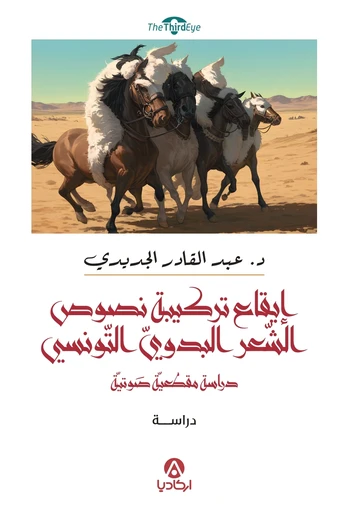
ايقاع تركيبة نصوص الشعر البدوي التونسي
دخل عليّ كِنَان وكان متدثراً بثلوج عواصف جبال القطب الشمالي...
احتضنته في حرقة المتوحّد وشوق المكلوم اليائس... فتهاطلت دموعي التي
ما سرعان ما تحوّلت إلى أكوام من الثلج والجليد هي الأخرى... شقَّ على
كنان ما رأى فحوّلها في الحال إلى غابة زعتر وخزامى فأصبحت أيامي مشمسة
وعطِرة... …
دخل عليّ كِنَان وكان متدثراً بثلوج عواصف جبال القطب الشمالي...
احتضنته في حرقة المتوحّد وشوق المكلوم اليائس... فتهاطلت دموعي التي
ما سرعان ما تحوّلت إلى أكوام من الثلج والجليد هي الأخرى... شقَّ على
كنان ما رأى فحوّلها في الحال إلى غابة زعتر وخزامى فأصبحت أيامي مشمسة
وعطِرة...
ثم جاءني نائل بأكياس من ثلوج جبل بولحناش وزلفان وتالة... فعرفت أنه
البلسم الذي سيضمّد جروح عمري ويزرع الفرحة في خلايا ذاكرتي المثقلة...
إنه البهجة والسّعْدُ والحنان...